
Living in Central Texas comes with its own unique set of property management challenges. Whether you own a historic home near Downtown Georgetown or manage a modern commercial space near Wolf Ranch, plumbing failures and biohazard contamination can cause rapid and devastating damage to your structure. Understanding the immediate impact of these events is critical for minimizing long-term property damage.
The Dangers of Category 3 Water and Biological Contamination
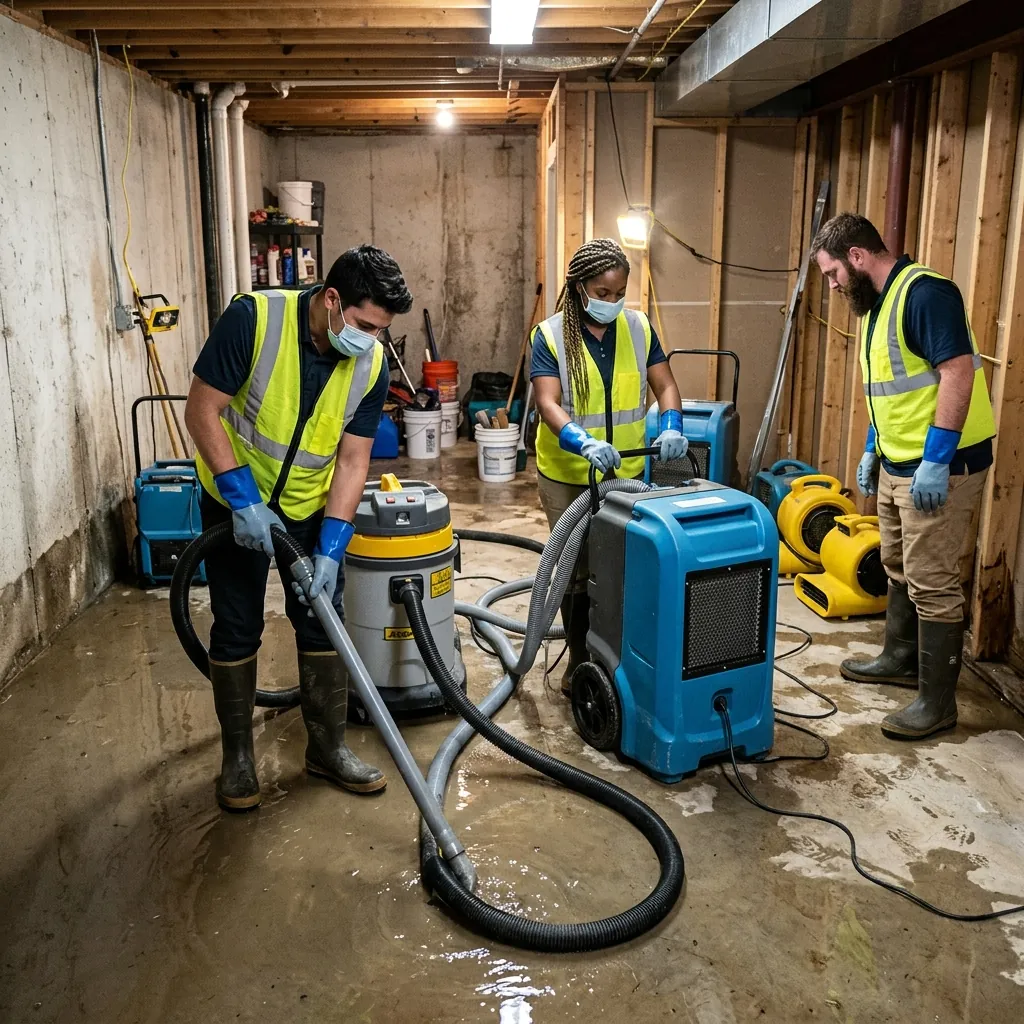
Not all water damage is created equal. When a main sewer line fails or a pipe bursts after a cold-weather event, the resulting flood is often classified as Category 3 or "black water." This type of water contains raw sewage, heavy metals, industrial chemicals, and infectious biological matter. When this contaminated water spreads across a floor plan, it creates an immediate crisis.
Beyond plumbing failures, other biological incidents—such as an unattended death or a hoarding situation where bodily fluids are present—pose similar risks. Bloodborne pathogens and infectious waste can quickly soak into porous surfaces. Regular household cleaners cannot neutralize these threats; attempting to scrub the surface only pushes the microscopic contaminants deeper into the material fibers.
How Porous Materials Trap Contaminants and Odors
One of the biggest challenges our Georgetown biohazard remediation team faces is dealing with the structural absorption of fluids. Properties in Williamson County feature a variety of building materials, but the most vulnerable are carpets, carpet padding, drywall, and untreated wood subfloors.
- Drywall Absorption: Drywall acts like a sponge. When contaminated water or biological fluids touch the baseboards, the drywall wicks the moisture upward. The contaminated section must often be safely cut out and removed to prevent hidden mold and bacterial growth inside the wall cavity.
- Subfloor Penetration: Even if you mop up the visible mess on a tile or hardwood floor, liquids easily seep through the grout lines or floorboard seams. Once trapped between the surface floor and the subfloor, the contamination will continuously emit foul odors.
- Odor Migration: In the Central Texas heat, odors develop rapidly. As the HVAC system cycles on, it can pull these odor molecules into the ductwork, spreading the foul smell into completely unaffected rooms. This is why professional odor-source removal is mandatory.
The Timeline of Degradation
Time is the enemy when dealing with biological hazards. Within the first 24 to 48 hours, bacteria begin multiplying exponentially. If a property is left vacant over a long weekend—a common scenario for rental properties near University Avenue or seasonal homes in Sun City—the contamination level multiplies drastically. The longer the delay, the higher the likelihood that structural materials will require complete replacement rather than just disinfection.
The Professional Remediation Process
When you contact professional biohazard cleaning services in Georgetown, the first step is always safety and containment. We must isolate the affected area using heavy-duty plastic sheeting and specialized air scrubbers to ensure that airborne pathogens and odor molecules do not drift into clean zones.
Once contained, technicians will extract all standing waste and begin safely removing the unsalvageable porous materials. After the physical hazards are gone, the entire area undergoes a rigorous, multi-stage disinfection process using hospital-grade, EPA-registered chemicals. Finally, advanced techniques like thermal fogging or hydroxyl generators may be deployed to neutralize any lingering odors at the molecular level, ensuring the property is fully restored and safe for occupancy.
Frequently Asked Questions
Can I clean up a small sewage backup myself?
It is highly discouraged. Raw sewage contains dangerous bacteria and viruses. Without proper personal protective equipment (PPE) and professional-grade disinfectants, you risk severe illness and cross-contaminating other areas of your home.
Will bleach neutralize biohazard odors?
No. Bleach merely masks odors temporarily and can actually cause dangerous chemical reactions when mixed with certain biological waste. Professional odor removal requires eliminating the physical source and treating the air with specialized equipment.
Does my homeowner's insurance cover sewage and biohazard cleanup?
Coverage varies greatly depending on your specific policy and the cause of the incident. Some policies have specific exclusions for sewage backups unless an additional rider was purchased. We can help provide the necessary documentation to support your claim.
Do you have to remove my drywall?
If contaminated fluids have wicked up into the drywall, the affected lower section usually must be cut out. Porous drywall cannot be reliably sanitized once black water or biological fluids have soaked through the paper backing.
How quickly can you arrive at my Georgetown property?
We operate 24/7 for emergency dispatch. Our local response team can typically arrive on-site within hours to assess the situation and begin containment procedures to prevent further damage to your property.