
When a severe biological incident occurs in a home or business, the immediate reaction is often panic. Whether it is an unexpected medical emergency, a severe plumbing failure, or a tragic accident, property owners in Central Texas need a clear, actionable strategy to minimize physical damage and protect everyone on the premises.
Step One: Secure the Area and Restrict Access
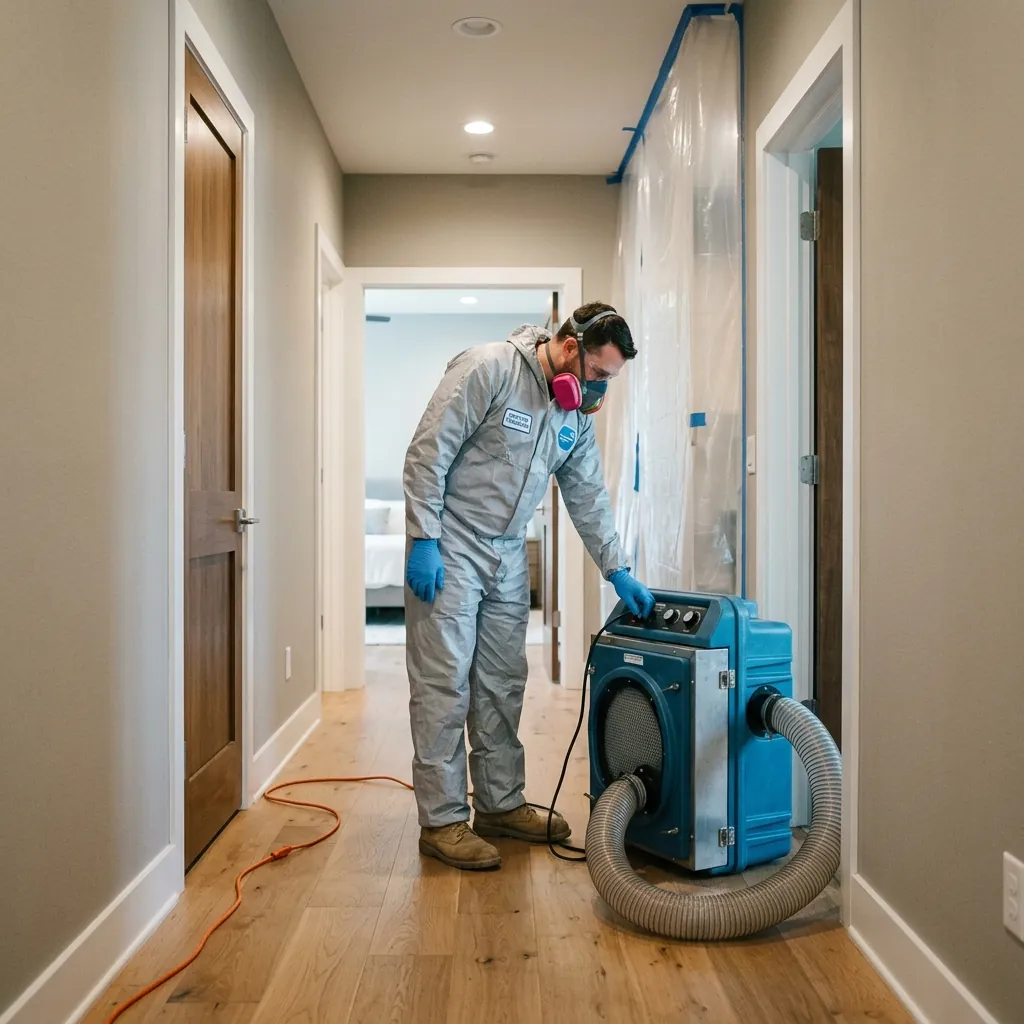
The single greatest mistake property owners make after a biohazard spill is allowing people or pets to walk through the affected room. Blood cleanup and biological remediation become infinitely more expensive and complex when microscopic pathogens are tracked from a contaminated bathroom tile onto a clean hallway carpet.
If an incident occurs in your home, close the door to the room and place a physical barrier—like a chair or a sign—in front of it. In a commercial space near Downtown Georgetown, use caution tape or lock the doors to the affected wing. Do not attempt to throw a towel or blanket over the biological fluids; this only presses the matter deeper into the subfloor and creates a massive, saturated piece of infectious waste.
Step Two: Control the Airflow
In the intense heat of a Texas summer, biological degradation begins immediately. As the matter breaks down, it emits potent gases. If your central air conditioning is running, the return vents can suck these foul odor molecules out of the contaminated room and blast them into completely unaffected areas of the property.
If it is safe to do so without entering the contaminated zone, turn off the HVAC system for that specific zone. Professional remediation teams will bring in specialized negative air machines and HEPA scrubbers to safely filter the air before turning your central system back on, drastically reducing the need for whole-house odor removal treatments.
Dealing with Law Enforcement and Insurers
If the biohazard event was a crime or an unattended death, the property becomes an active investigation scene. You cannot touch or alter anything until the police and medical examiner officially release the property. Once released, take photos from a safe distance outside the contaminated zone. These photos will be crucial when filing a claim with your homeowner's or commercial property insurance.
Step Three: Engage Professional Responders
Once the scene is secured and the authorities have cleared you to proceed, the final strategy is to hand the burden over to experts. Biohazardous waste cannot be legally disposed of in your regular municipal trash bin in Williamson County. It requires highly regulated packaging and transport.
When you contact our Georgetown-area cleanup professionals, we arrive with the heavy-duty personal protective equipment (PPE), the hospital-grade chemicals, and the specialized extraction tools needed to pull fluids out of porous materials. Our goal is to quickly and discreetly eliminate the health hazard so you can focus on personal or business recovery.
Frequently Asked Questions
Should I open all the windows to air out the smell?
Opening a window in the affected room can help, but you must keep the interior door closed. If you open windows throughout the house, the cross-breeze might pull the foul odors from the contaminated room into the rest of your home.
Can I use bleach to disinfect a small blood spill?
Household bleach is often ineffective on porous surfaces like wood or carpet, as it only cleans the top layer. Furthermore, mixing bleach with certain biological fluids can create dangerous fumes in an enclosed space.
How long does a professional cleanup take?
A standard remediation can take anywhere from a few hours to several days, depending entirely on the size of the affected area, the materials involved, and how deeply the fluids have penetrated the structure.
What happens to the carpet after it is removed?
Contaminated carpets and padding are cut into manageable pieces, sealed inside thick, leak-proof biohazard bags, placed in rigid transport containers, and driven to a licensed medical waste facility for incineration.
Do you provide an itemized list of damages for my insurance?
Yes. We provide a comprehensive scope of work, including line-item descriptions of every material removed and every chemical used, which helps streamline your insurance claim process.