
After a traumatic incident, accident, or medical emergency, property owners often face the difficult task of cleaning up the aftermath. While the instinct to grab a mop and household bleach is understandable—especially when trying to restore normalcy quickly—attempting to clean biological hazards yourself can expose you to severe health risks and create long-term structural problems.
The Hidden Dangers of Blood and Bodily Fluids
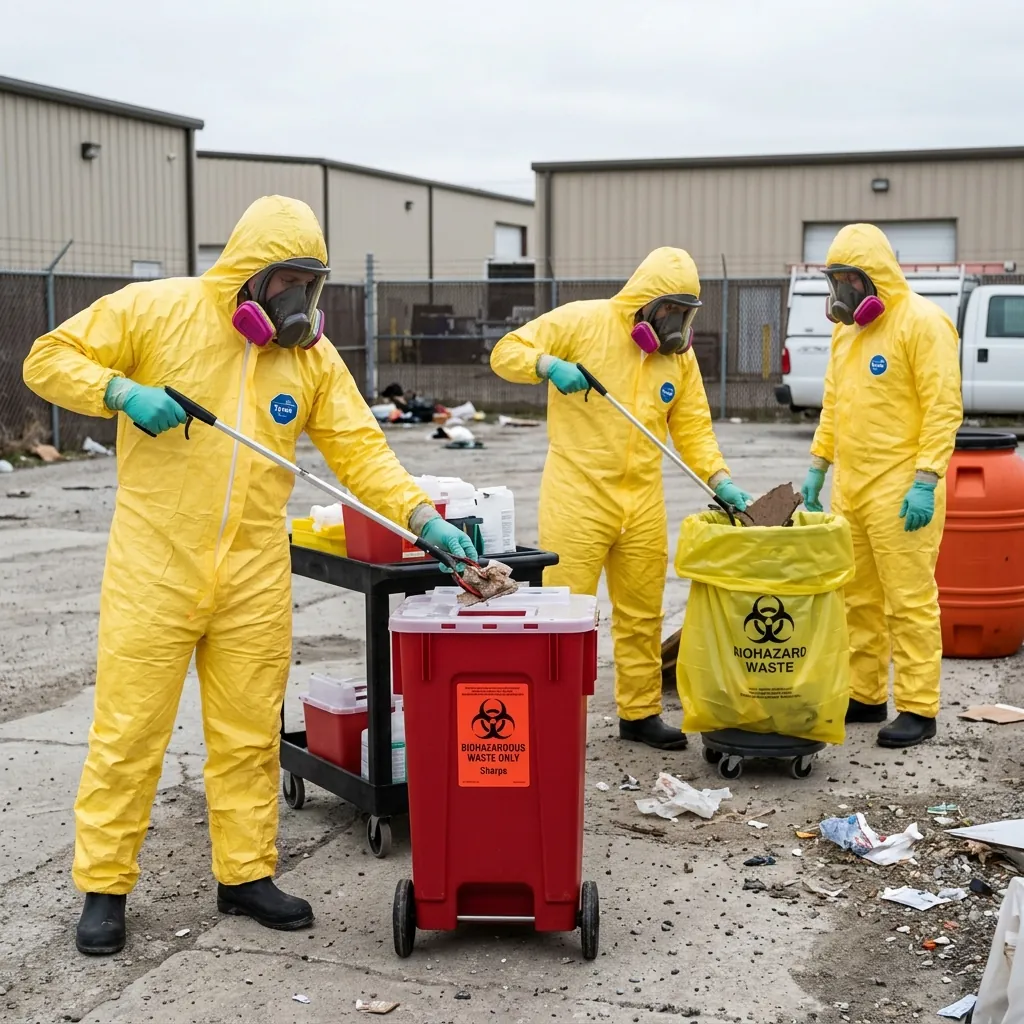
When dealing with blood cleanup, the primary threat is what you cannot see. Blood and bodily fluids can harbor infectious diseases like Hepatitis B, Hepatitis C, and HIV. These pathogens can survive outside the body for days—and in some cases, weeks—if not properly neutralized.
Standard retail cleaning products like bleach or ammonia may alter the color of the bloodstain, making the surface look clean, but they often fail to destroy the actual viral or bacterial matter. Furthermore, mixing certain household chemicals in an attempt to scrub a stubborn stain can create highly toxic, even lethal, fumes in an enclosed residential space.
Why Scrubbing Makes It Worse: The Problem with Porous Surfaces
A major flaw in DIY biohazard cleanup is the physical act of scrubbing. Whether an incident occurred in a carpeted bedroom in Berry Creek or on a tiled floor in a Downtown Georgetown business, biological fluids rarely remain on the surface.
- Carpet and Padding: Scrubbing a bloodstain on a carpet actually pushes the biological matter deeper into the fibers and down into the underlying carpet padding. Once trapped there, it becomes a permanent source of foul odors.
- Grout and Hardwood: Scrubbing tile grout or historic hardwood floors forces the fluids into the microscopic pores of the material. A professional approach involves carefully extracting the fluids first, rather than spreading them around.
This is why cross-contamination is so common in DIY attempts. A homeowner might use a mop on a contaminated floor and then use that exact same mop in a clean hallway, inadvertently spreading dangerous pathogens across the entire house.
Proper Equipment and Disposal Logistics
Professional remediation technicians arrive equipped with heavy-duty Personal Protective Equipment (PPE), including full-body Tyvek suits, double-layered nitrile gloves, and full-face respirators. This protects them from both the biological hazards and the potent, hospital-grade chemicals required for proper disinfection.
Additionally, placing blood-soaked towels or contaminated drywall into a standard Williamson County garbage can is a violation of local and state health regulations. Biohazardous waste must be sealed in clearly marked, leak-proof red bags and rigid containers. Our local biohazard cleanup team legally transports this regulated waste to licensed medical incineration facilities.
Emotional Toll and Property Value
Finally, the emotional burden of cleaning up after a tragedy involving a loved one cannot be overstated. Families should not have to relive a traumatic event by physically scrubbing the scene.
Beyond the emotional toll, failing to properly remediate a biohazard scene can drastically affect your property's value. Unresolved contamination will eventually lead to severe odor issues, especially during the humid Texas summers, and can result in liability issues if a future tenant or buyer falls ill due to improper cleanup.
Frequently Asked Questions
Is it illegal to clean up my own property?
For a private homeowner, it is generally not illegal to clean their own property. However, it is highly unsafe. For business owners, landlords, or employers, directing untrained staff to clean biohazards without proper training and PPE is a direct violation of OSHA regulations.
Can I just throw away blood-stained clothing in the regular trash?
No. Items saturated with blood or bodily fluids are considered regulated medical waste and pose a health risk to sanitation workers. They must be disposed of through licensed biohazard waste carriers.
Does bleach kill all bloodborne pathogens?
While bleach is a strong chemical, its effectiveness depends heavily on the concentration, the surface being cleaned, and how long it sits. It is often ineffective on porous surfaces like wood or drywall, where pathogens hide below the surface.
How long does Hepatitis B survive outside the body?
According to the CDC, the Hepatitis B virus can survive outside the body and remain infectious for at least 7 days, which is why immediate, professional disinfection is critical after any blood spill.
What should I do while waiting for a cleanup crew?
Isolate the affected area immediately. Close doors, keep pets and children away, and avoid walking through the area to prevent cross-contamination. Do not attempt to cover the spill with towels or blankets.