
Georgetown's real estate landscape is beautifully diverse, ranging from historic properties near the Downtown Square to densely populated apartment complexes along Williams Drive and University Avenue. However, when a trauma, unattended death, or hoarding situation occurs, these specific architectural layouts present distinct challenges for remediation professionals.
The Unique Risks in Multi-Unit Buildings
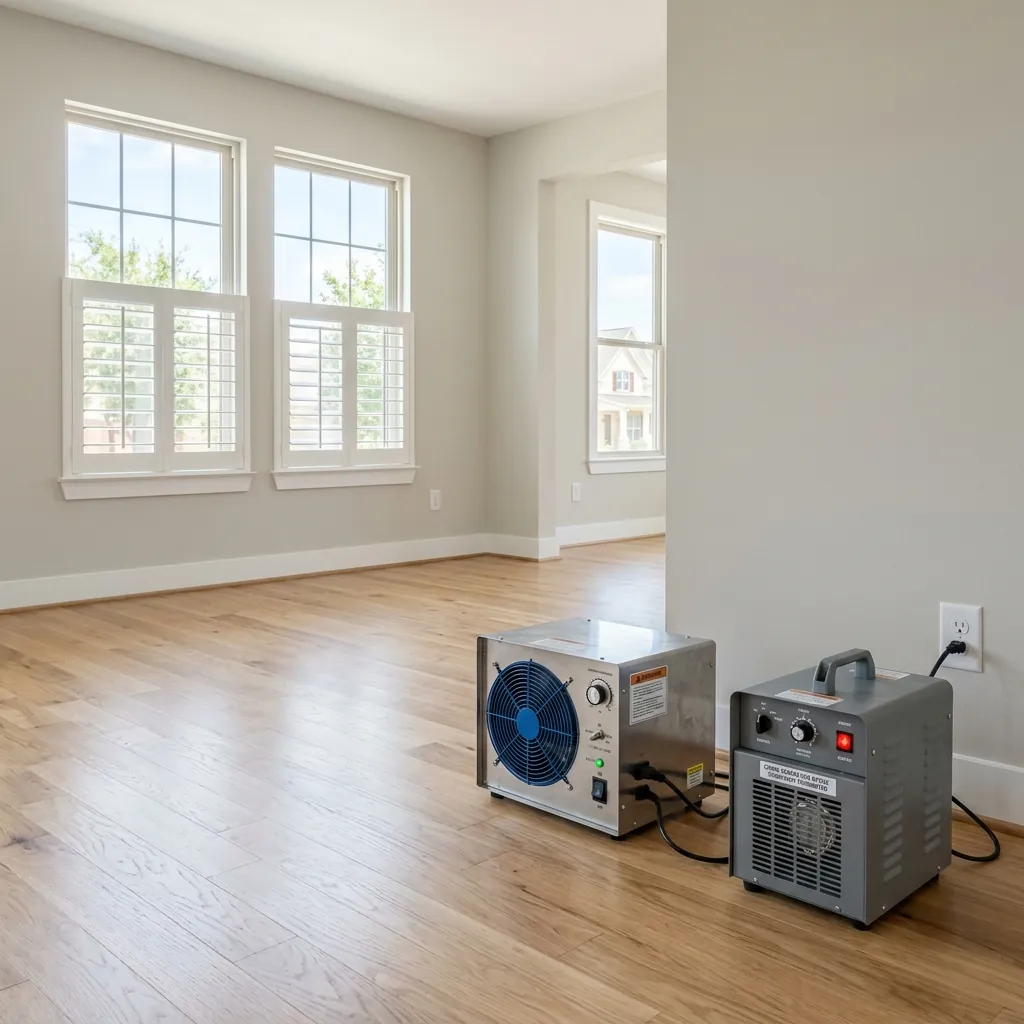
Apartments and condos create highly sensitive remediation environments. The most immediate concern for property managers is always cross-contamination and tenant safety. In an apartment building, the unit where an incident occurred is not an isolated island. It shares hallways, stairwells, plumbing stacks, and often ventilation systems with neighboring residents.
If a severe biohazard event occurs on the third floor, any fluid that penetrates the subfloor threatens the ceiling of the unit directly below it. Our technicians must immediately establish strict containment barriers. We utilize negative air pressure systems to ensure that airborne pathogens and decomposition odors do not drift into the main hallway or get pulled into the shared HVAC system, protecting both the remaining tenants and the landlord's liability.
Structural Challenges in Historic Georgetown Homes
Many of the beautiful, older homes in Central Texas were built with original hardwood floors, lath-and-plaster walls, and pier-and-beam foundations. While stunning, these materials are highly porous.
- Historic Hardwoods: When blood or bodily fluids spill onto 100-year-old hardwood, the lack of modern sealants means the fluids quickly wick into the grain and seep between the floorboards. Often, the surface can be disinfected, but the trapped biological matter underneath will continue to degrade and produce odors.
- Crawl Spaces: In homes with pier-and-beam foundations, contamination can sometimes seep entirely through the floor and into the crawl space below. This requires technicians to access confined spaces to remove contaminated soil, insulation, or vapor barriers.
- Odor Retention in Plaster: Older plaster walls can absorb odors much differently than modern drywall. Removing odors from these historic homes often requires extended thermal fogging treatments to neutralize odor-causing bacteria without destroying the irreplaceable historic architecture.
Discretion in Densely Populated Areas
Another major challenge in both apartment complexes and older, tight-knit neighborhoods is privacy. News travels fast in communities like Sun City or closely spaced apartment blocks. We prioritize absolute discretion. Our technicians arrive in unmarked vehicles and do not wear highly visible hazmat suits while walking from the truck to the front door. We stage our equipment quickly and quietly inside the unit to shield the property owner and the affected family from unnecessary public attention.
Collaborating with Property Managers and Landlords
For rental property investors and apartment managers, unit turnover time is critical. A severely contaminated unit represents lost rental income every day it sits vacant. However, rushing the cleanup using untrained maintenance staff is a massive liability risk.
When you rely on our Georgetown biohazard remediation team, you receive OSHA-aware, fully documented service. We provide the detailed photo documentation and written scopes of work that your insurance carrier or corporate oversight board requires. We handle the hazardous waste packaging and transportation to licensed medical waste facilities, allowing your maintenance team to focus purely on the cosmetic restoration once we hand back a certified-safe unit.
Frequently Asked Questions
Can biohazard odors travel between apartments?
Yes. Odors easily migrate through shared air ducts, poorly sealed electrical outlets, plumbing chases, and under doors. Immediate containment and negative air pressure are required to stop this spread.
Can you save historic hardwood floors after a biohazard incident?
It depends on the severity and how long the fluids have been sitting. If fluids have seeped between the boards and into the subfloor, the affected section of the historic wood typically must be removed to eliminate the health hazard and odor source.
Do property managers need to disclose a death in an apartment?
Disclosure laws vary by state and the nature of the death. However, property managers are always legally obligated to provide a safe, sanitized living environment free of bloodborne pathogens for the next tenant.
How do you remove contaminated materials from an upper-floor condo?
All biological waste and contaminated structural materials are sealed in leak-proof, federally approved biohazard bags or rigid containers before they ever leave the affected unit, ensuring safe transport through shared hallways and elevators.
Will your service trucks alarm my neighbors?
No. We intentionally use unmarked, discreet service vehicles to protect your privacy and prevent unnecessary panic or gossip among neighbors or other apartment tenants.